
Ardersier Port Extension Environmental Impact Assessment Report
Non-Technical Summary

Introduction
How will the Ardersier Port extension impact our local communities and environment?
We’re excited to play our part in Scotland’s journey to net zero, with offshore wind not only driving the transition to cleaner, more secure energy but also creating thousands of high quality, long term jobs for the Highlands.
Scotland has embraced offshore wind and is leading the world in developing our huge potential as a clean energy producer. It is - literally - big business for the country, becoming a key contributor to local economies but also requiring extensive land areas to accommodate the assembly of these large offshore wind turbines.
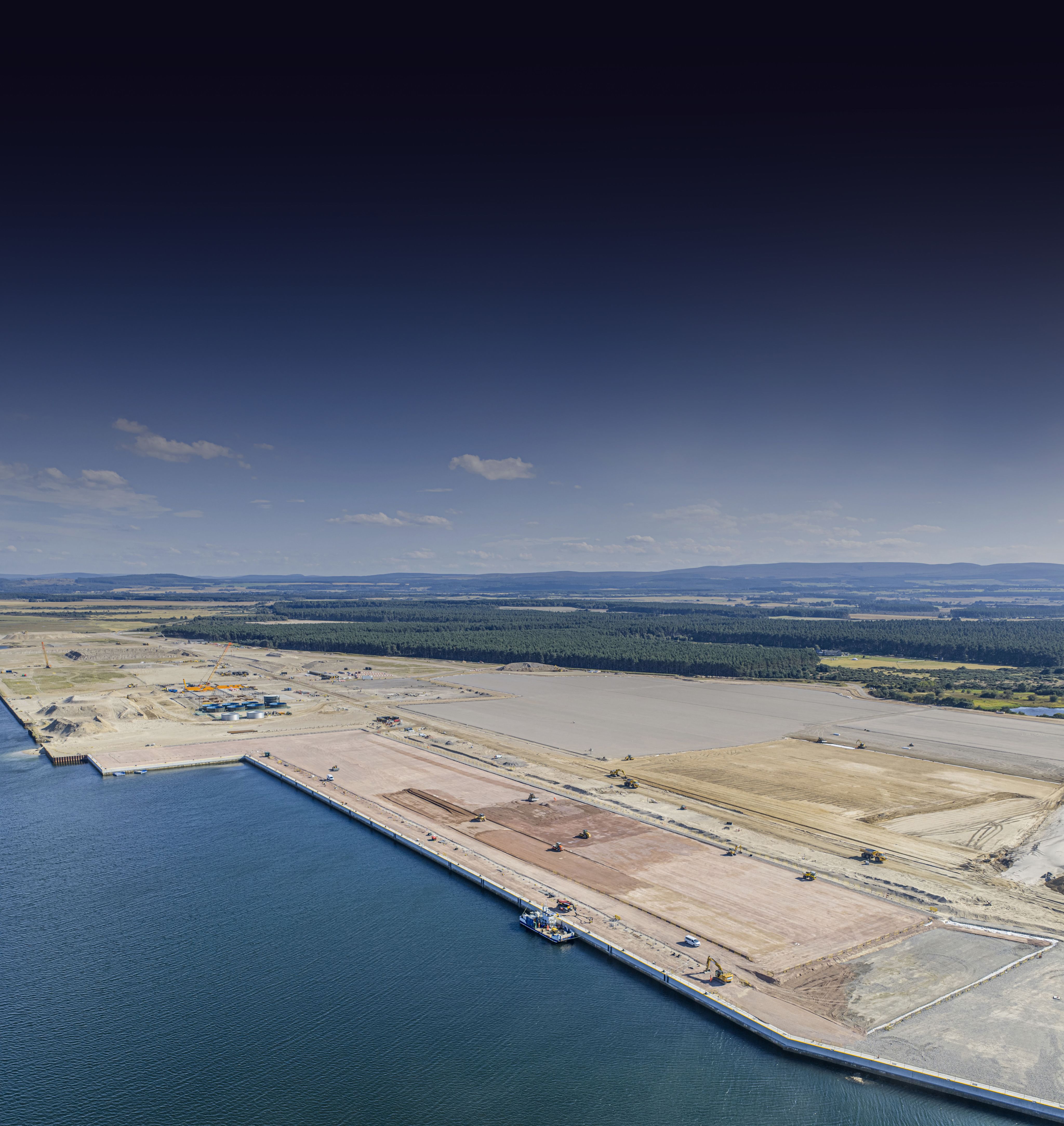
To help deliver the 45GW of offshore wind energy required to support Scotland, the UK and our communities becoming net zero by 2045, Ardersier Energy Transition Facility is set to be extended from 350 to 550 acres by 2028.

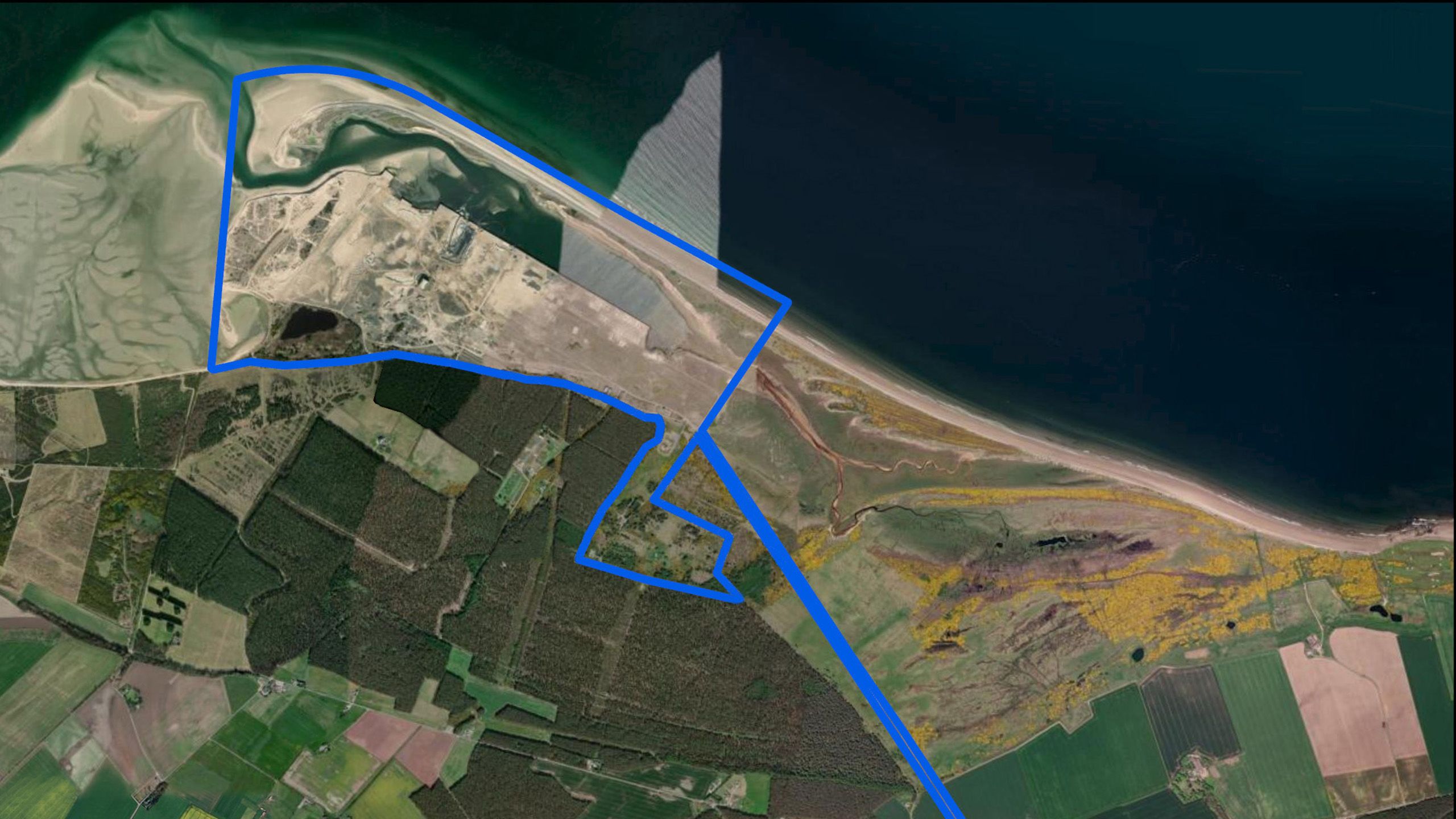

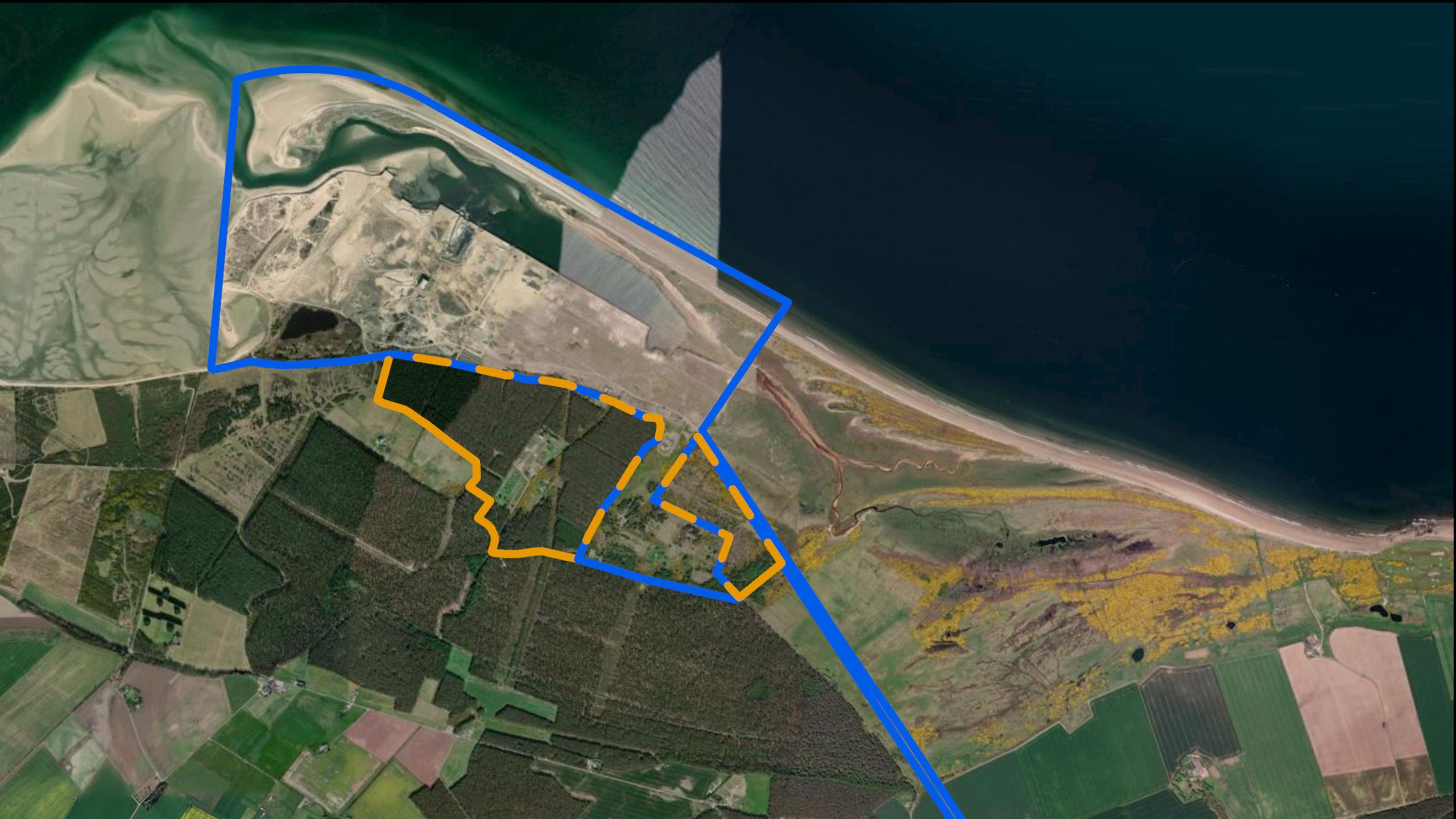
The area marked in blue is the existing consented boundary.
The proposed extension area is marked in orange.
Facilitating the transition responsibly
It’s no secret that the build out of offshore energy - such as oil and gas, which drove the original development of the Ardersier facility in the 1970s - requires large land areas. Offshore wind is no different. The large scale of the turbines and their potential energy output is what makes them such a net win for the environment, but manufacturing, storing and assembling these requires a lot of space.
With environmental stewardship at the core of what we do, the decision to extend the port - to accommodate the acreage requirements of offshore wind developers and associated supply chain who wish to locate at Ardersier - was not taken lightly.
With environmental responsibility underpinning how we both develop and operate our sites, the scale and location of the development, close to the Moray coast - with its sensitive ecology - demanded that we carry out thorough assessments of any potential impacts on local communities and the environment.

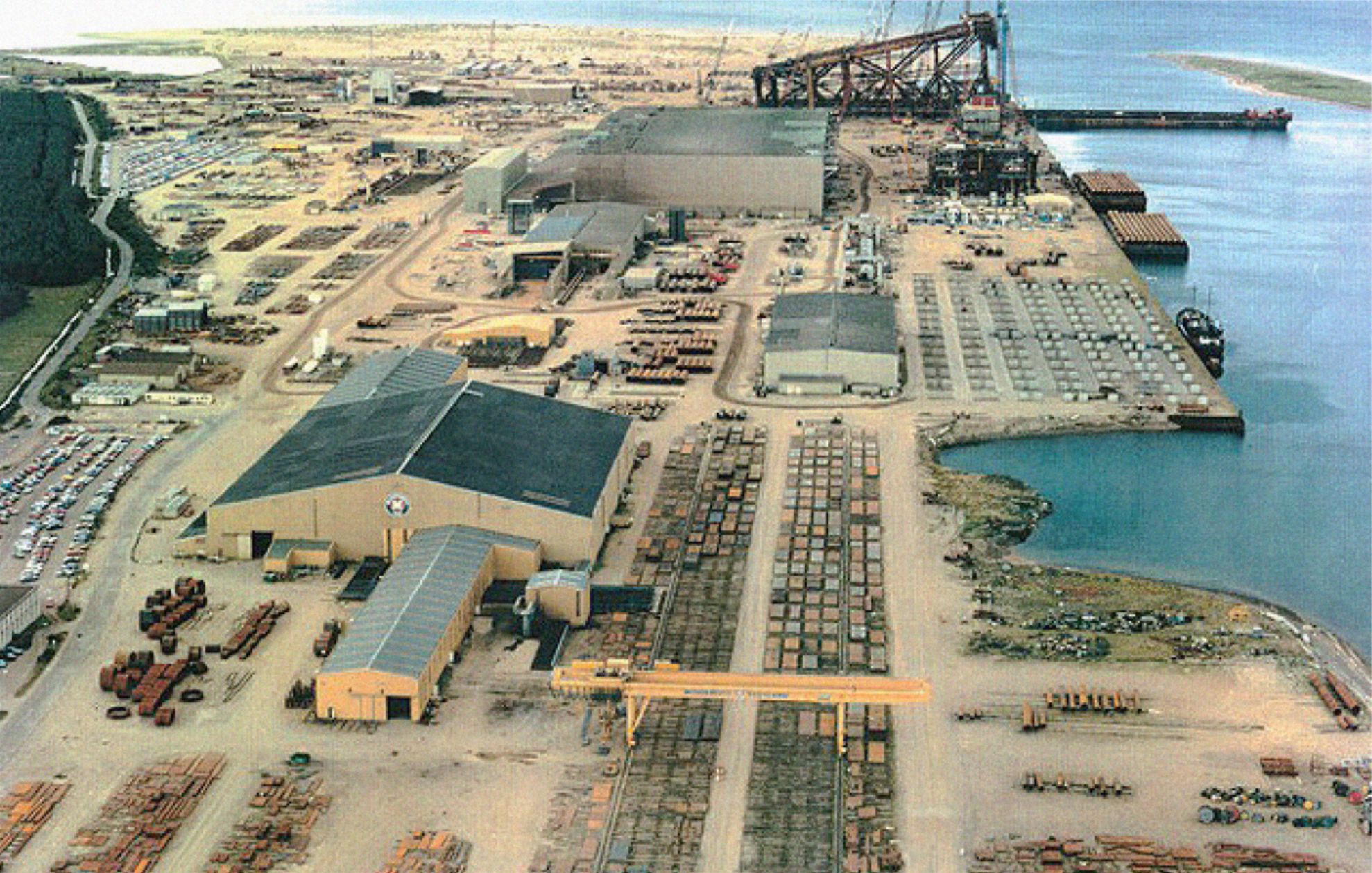
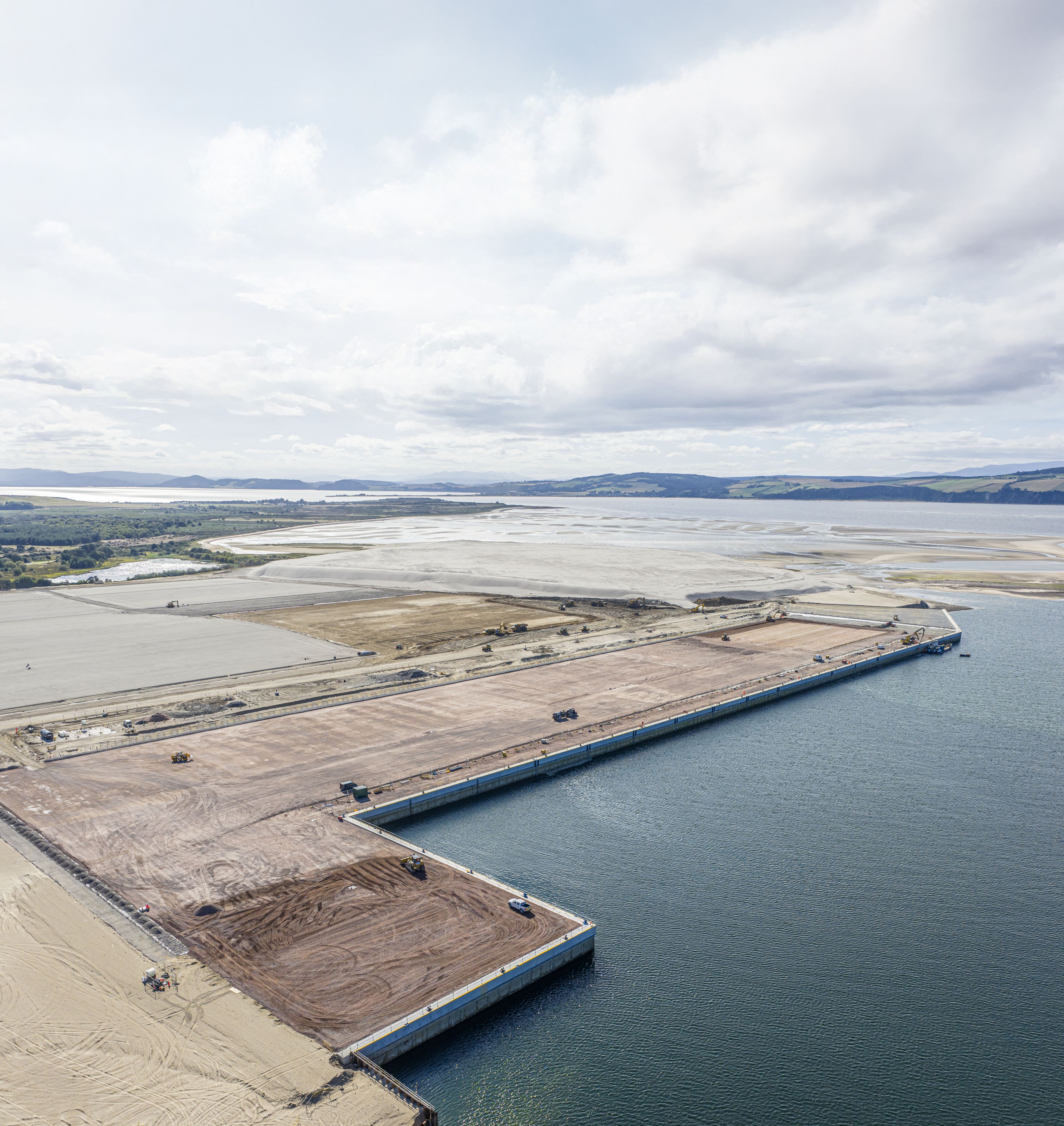
The site during previous use
The site during previous use

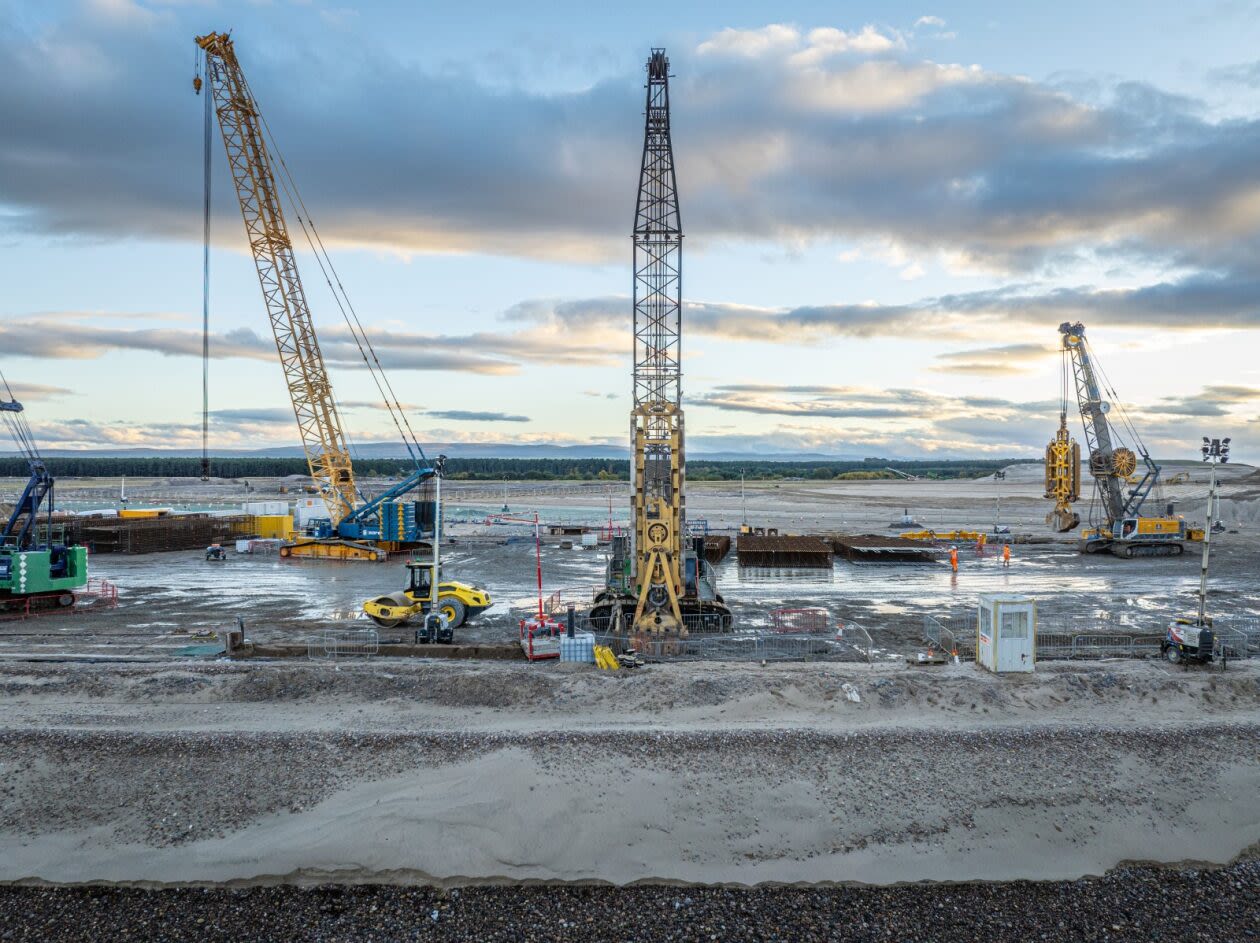
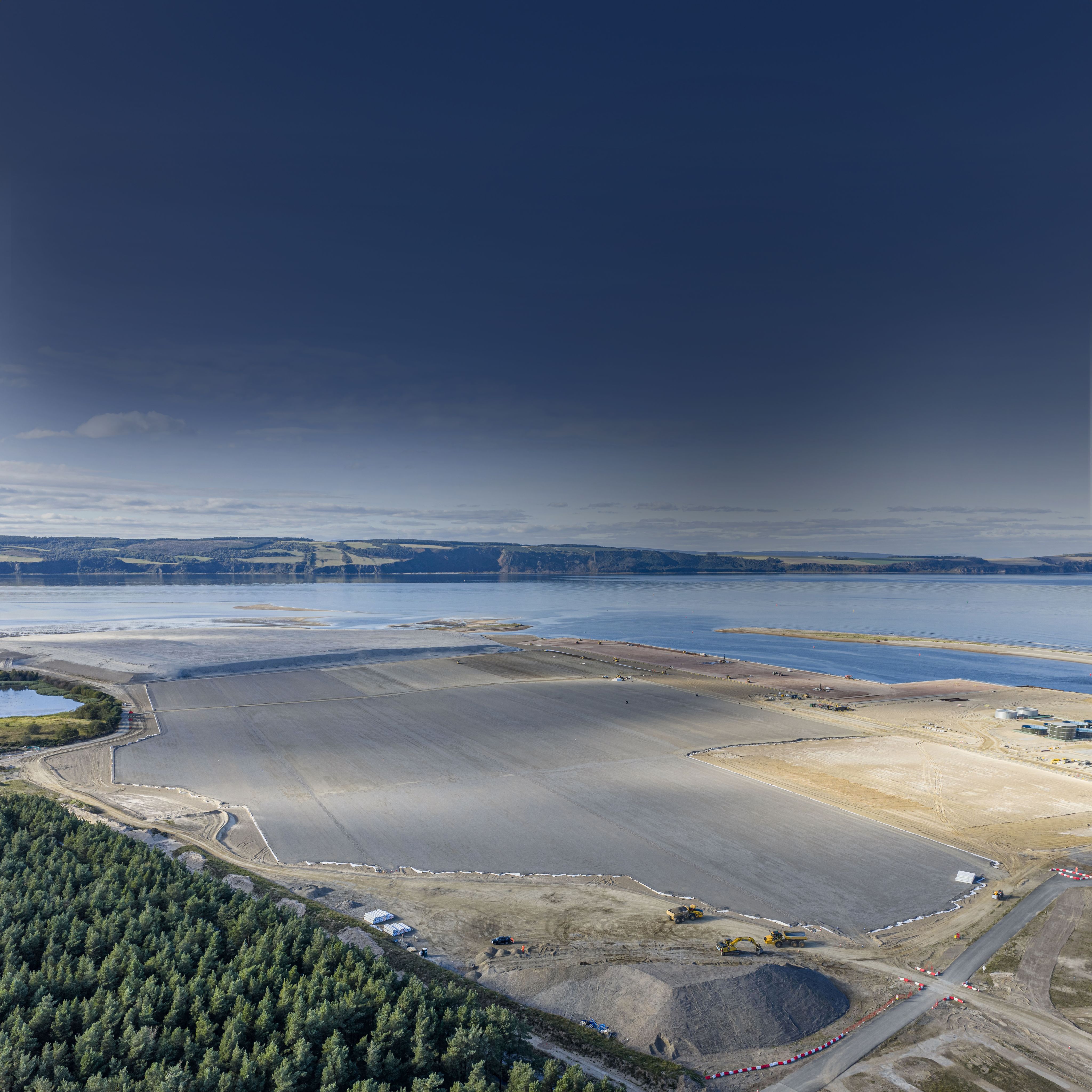
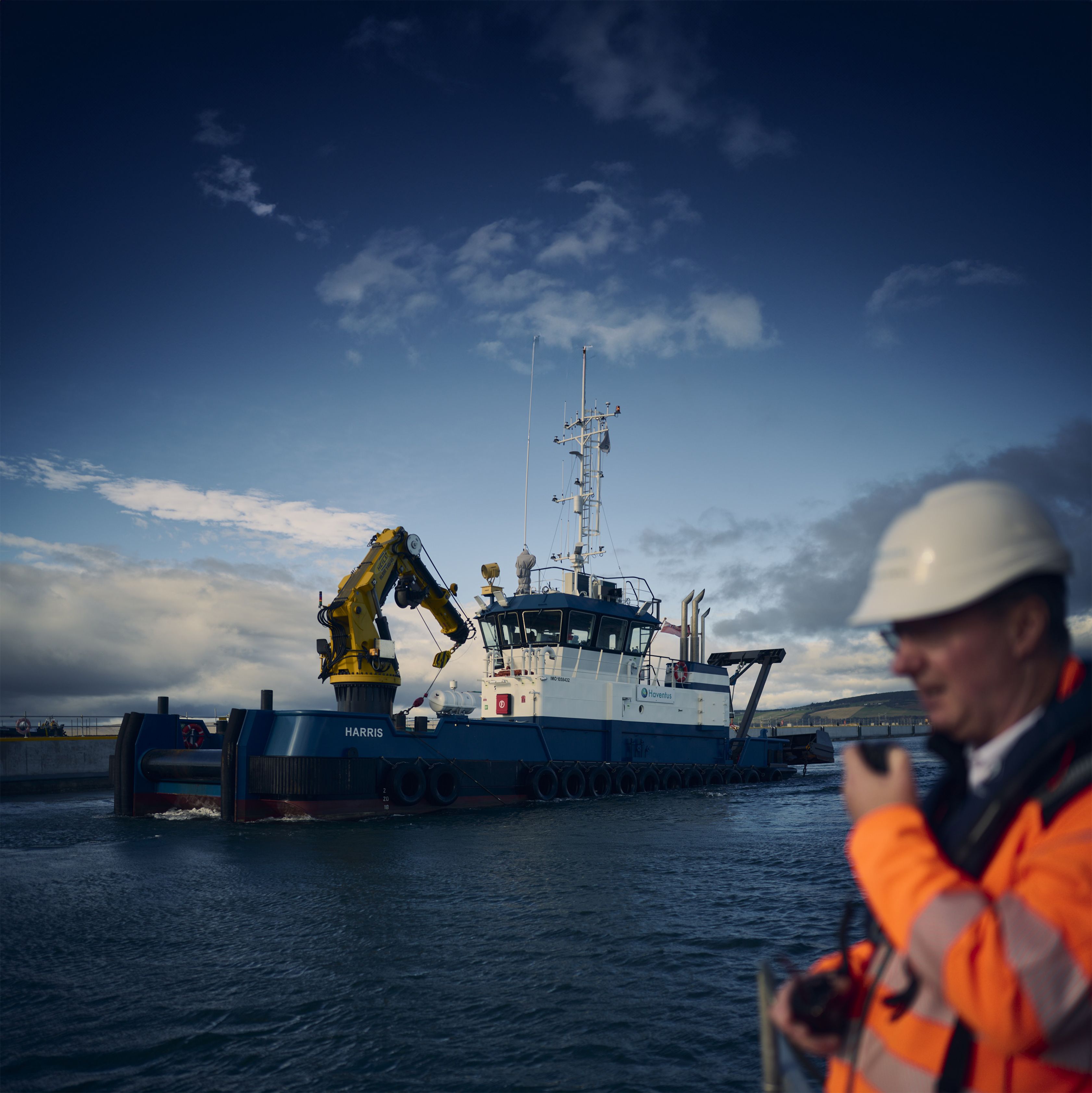
Recent construction
Recent construction
What's the plan?
Haventus develops strategic sites to facilitate the build out of the UK’s renewable energy sector.

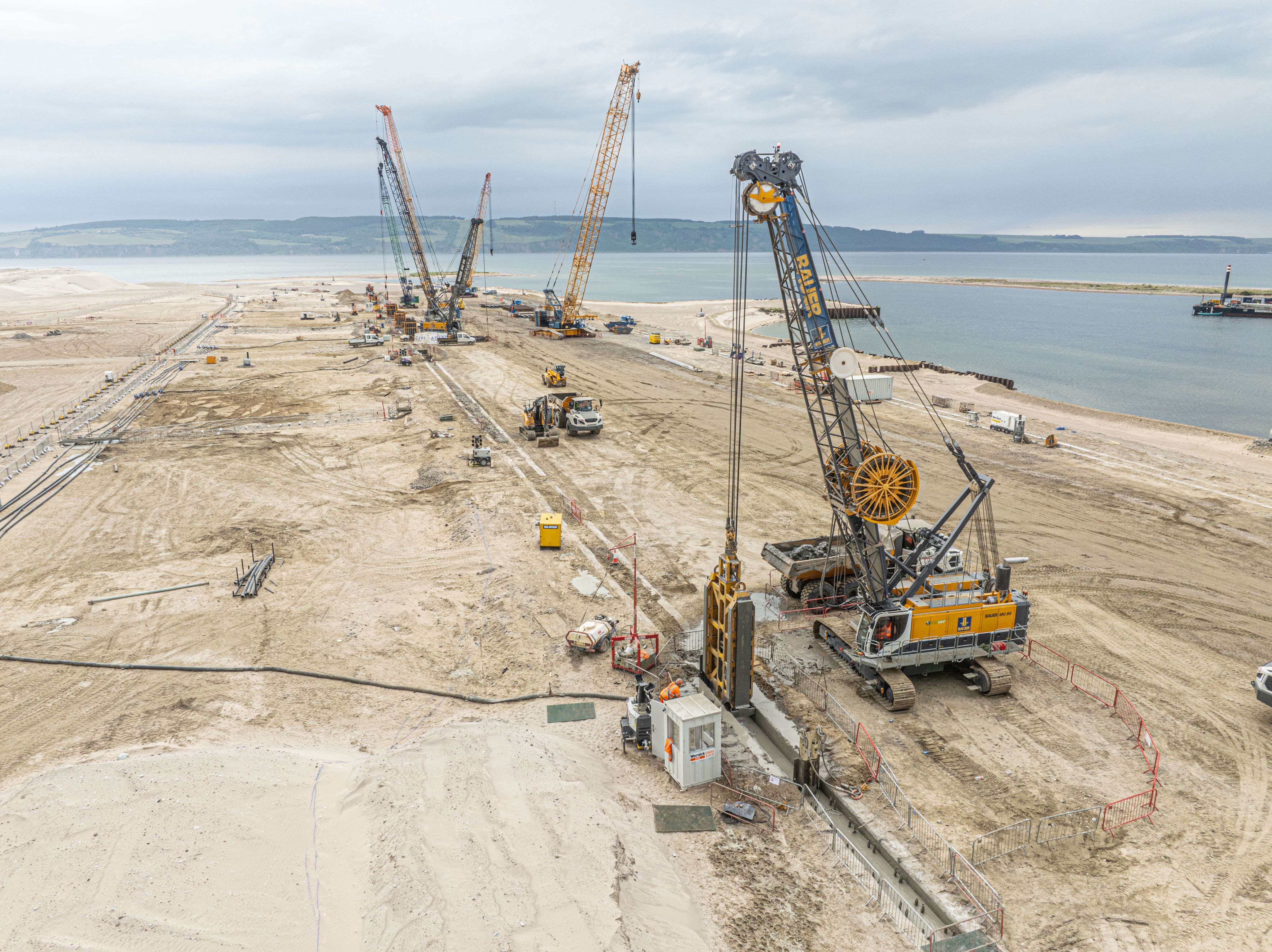
We are proud to be creating Scotland’s largest North Sea facility for deploying and servicing offshore wind installations at Ardersier, bringing benefits to the community and wider country for generations to come.

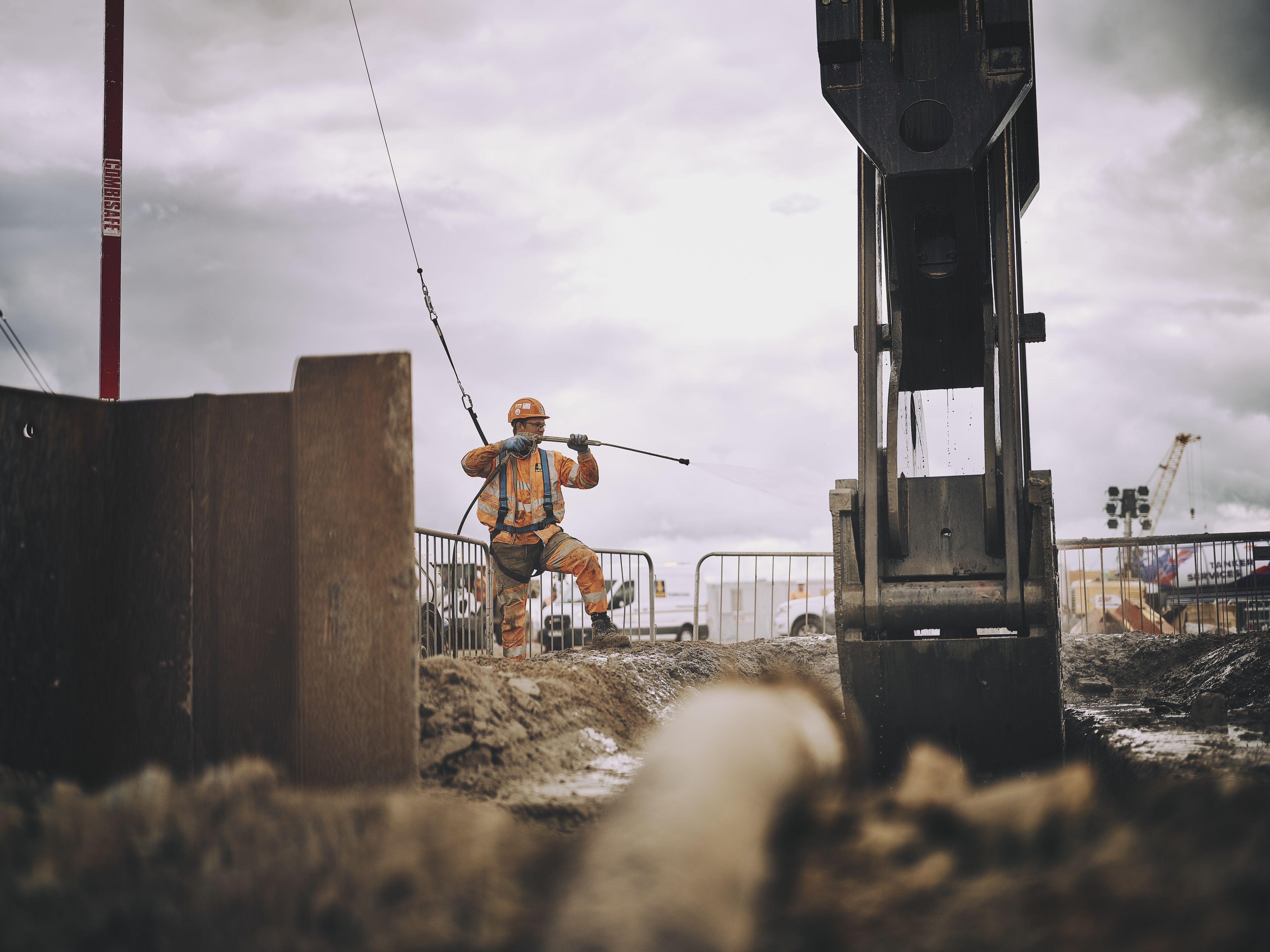
As operator of the port, Haventus will secure long term leases for areas of land across the site from tenants engaged in the manufacturing, assembly and storage of offshore wind components.

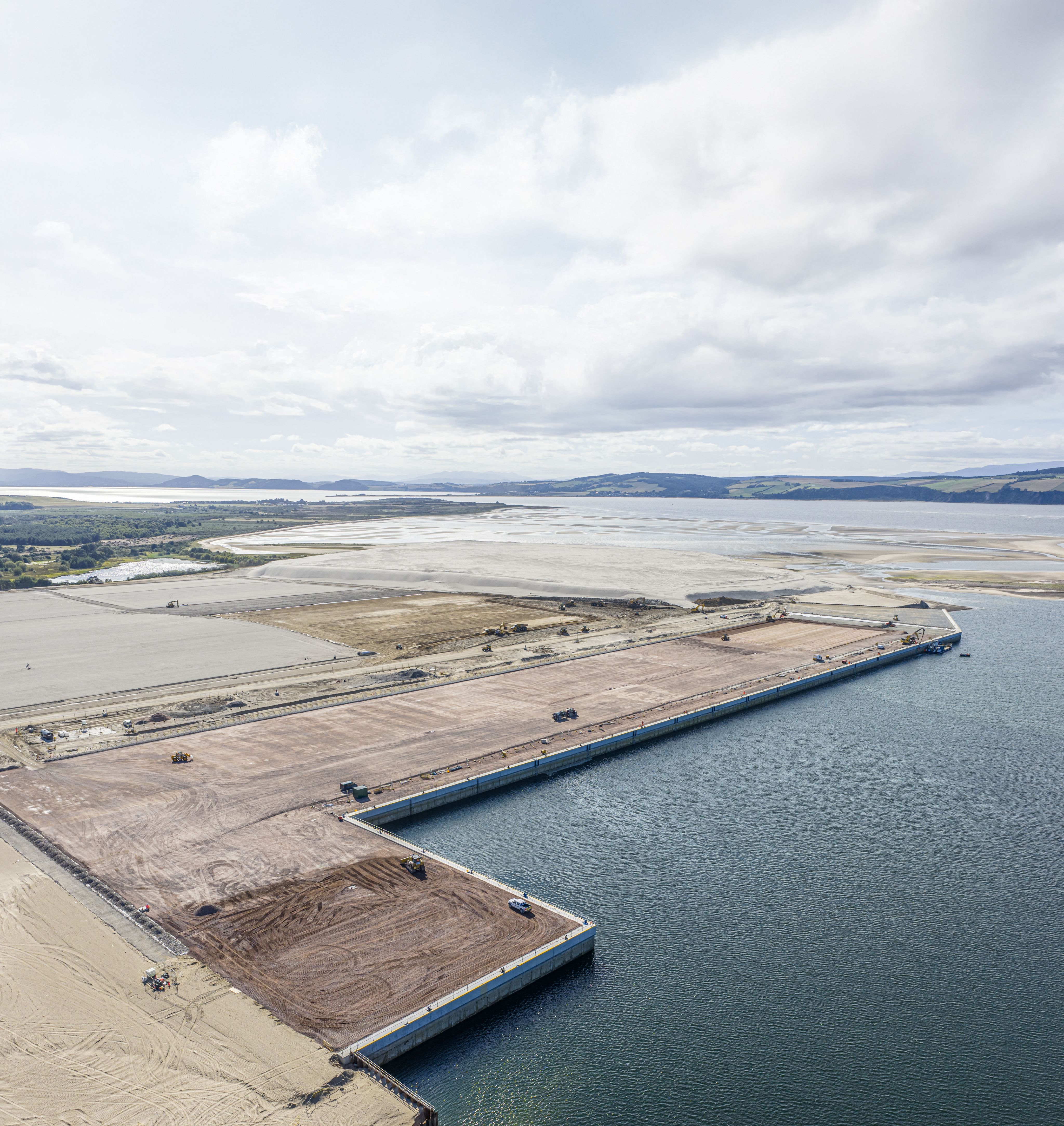
To meet the high demand for acreage, the current consented 350 acre port will be extended by 200 acres.

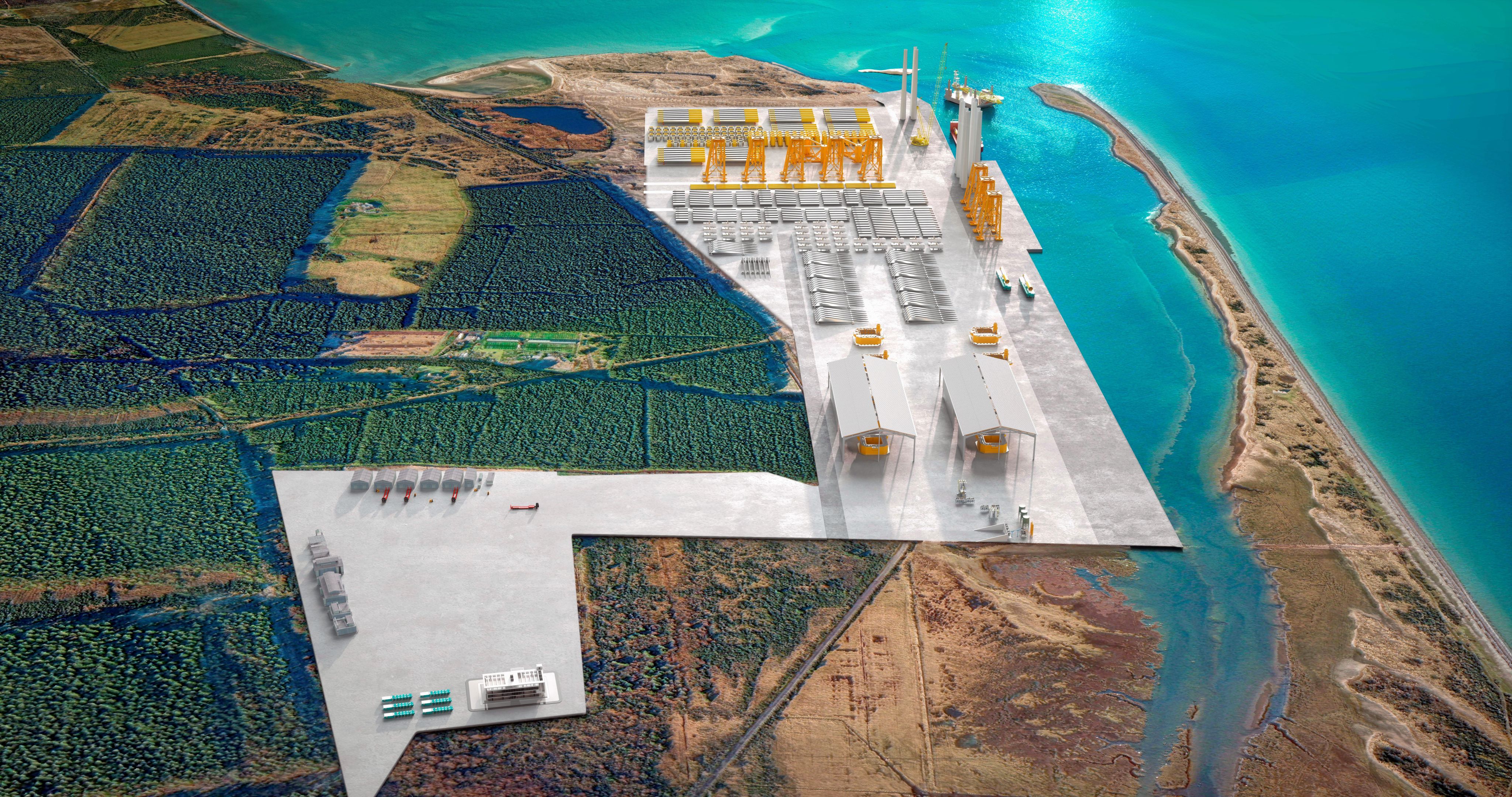

What does extending the port mean in real terms?
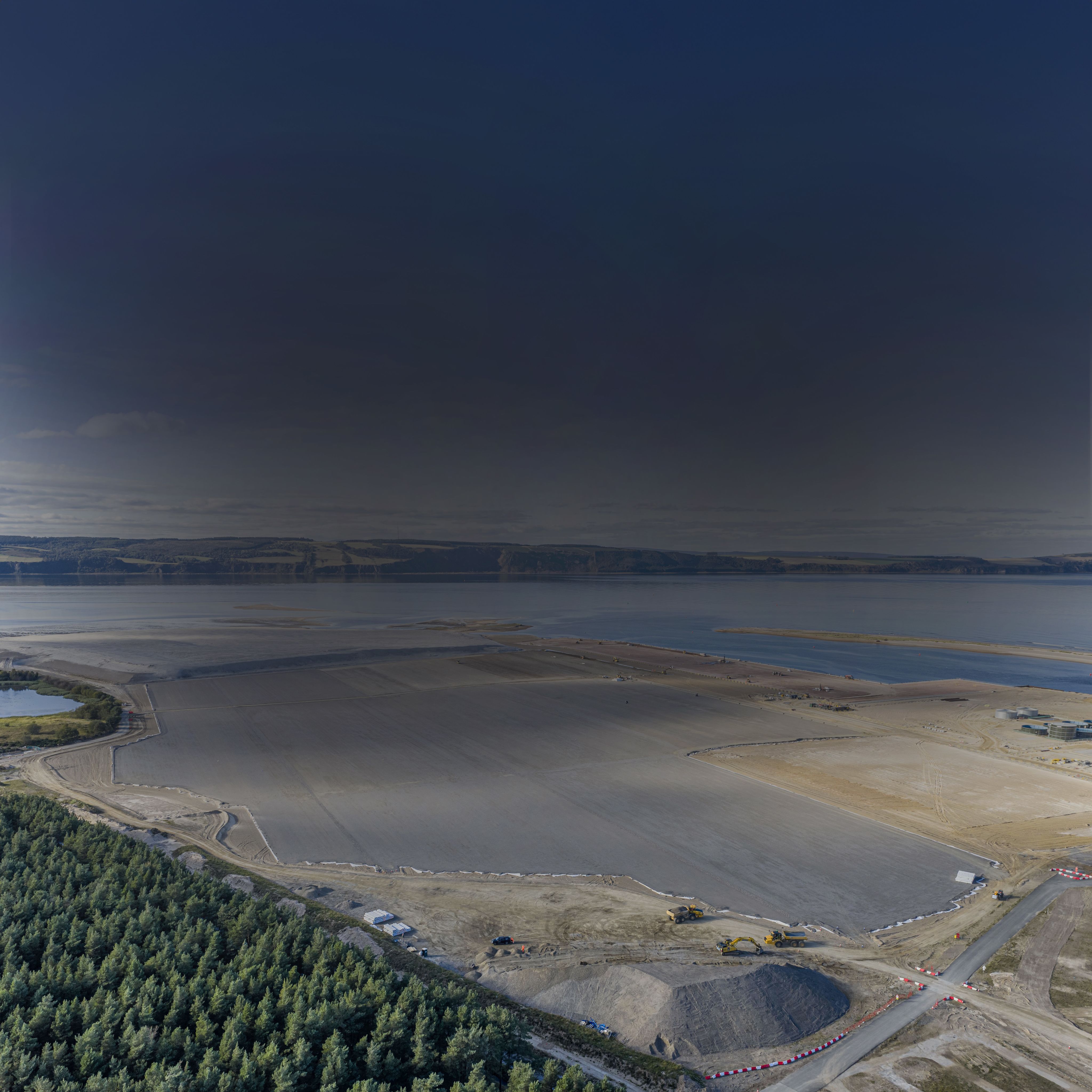
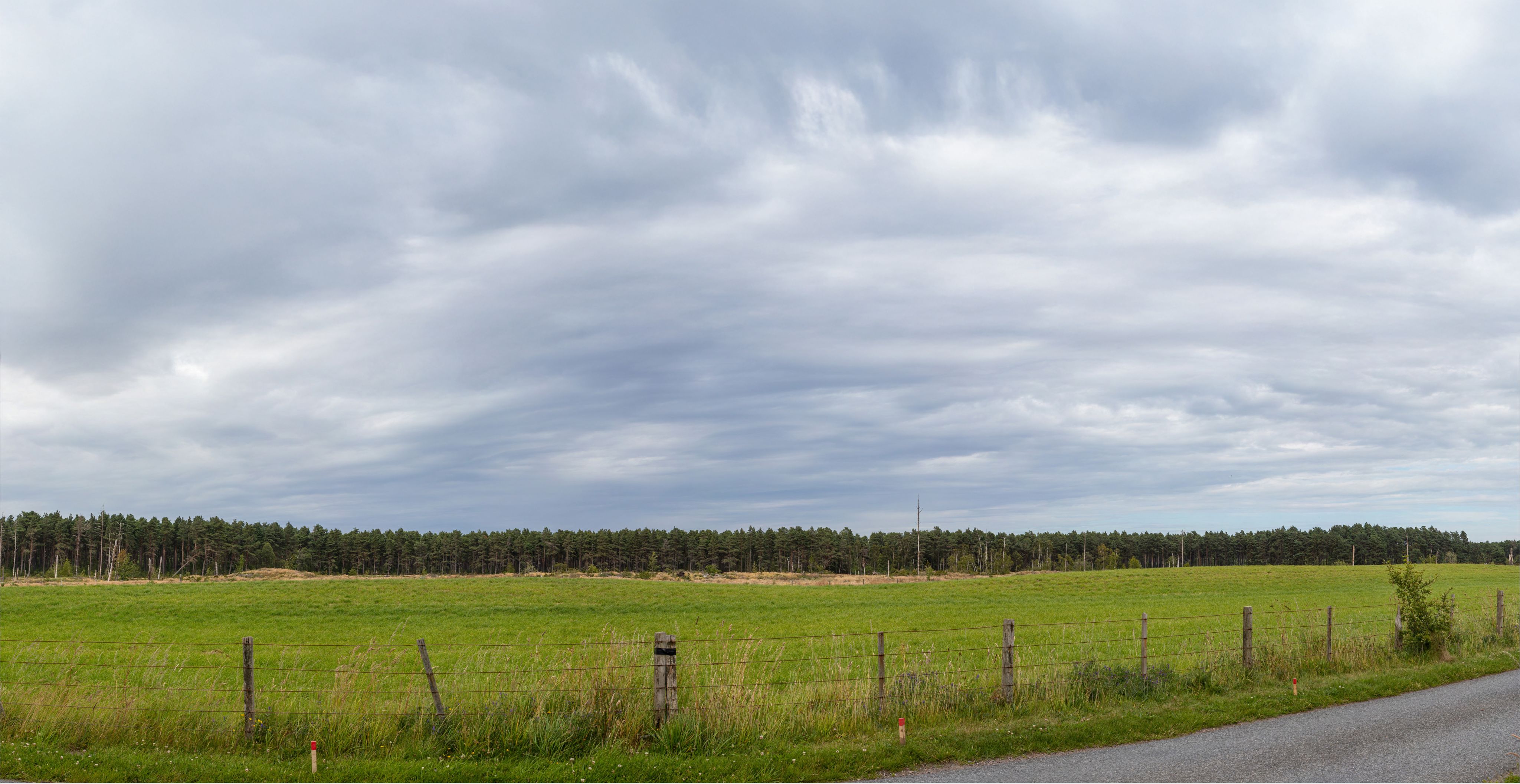
To facilitate the expansion to the east and south of the existing site, 120 acres of commercial Scots Pine plantation and about 75 acres of scrub and gorse will be removed.
A 20 metre strip of existing trees on the south boundary will be left to minimise views into the site and a new burn will be routed to take water around the site.
In the cleared area a working platform will be created using sand stored on site, and this will be capped with a flat stone surface.
An additional 950 metres of quay wall will be built as part of the extension, and 2 million cubic metres of sand will be dredged from the harbour and disposed of at the licensed Burghead Spoil Ground. Rock armouring and piling works will protect the site from coastal erosion.
Consultation – working with the community

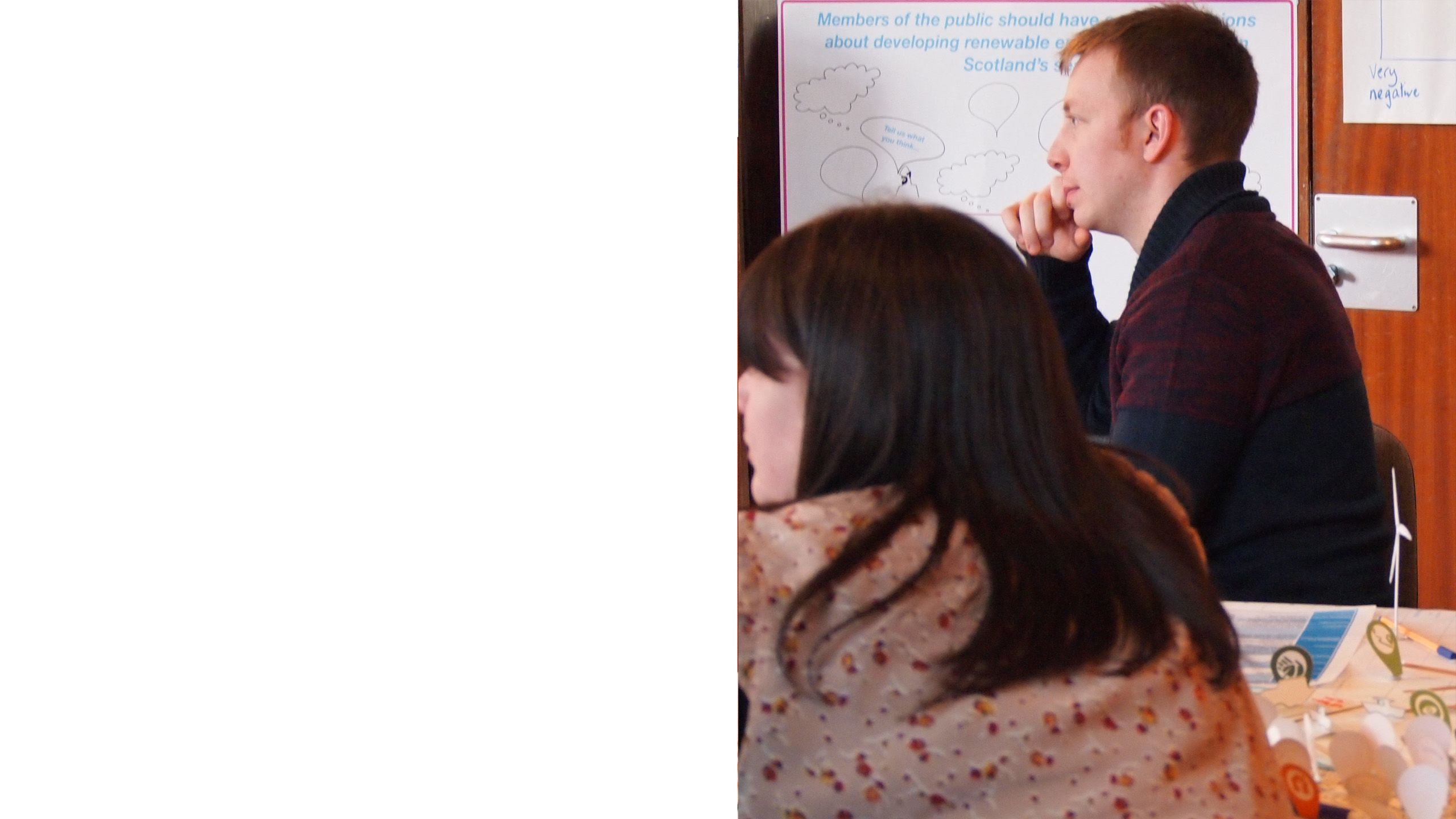

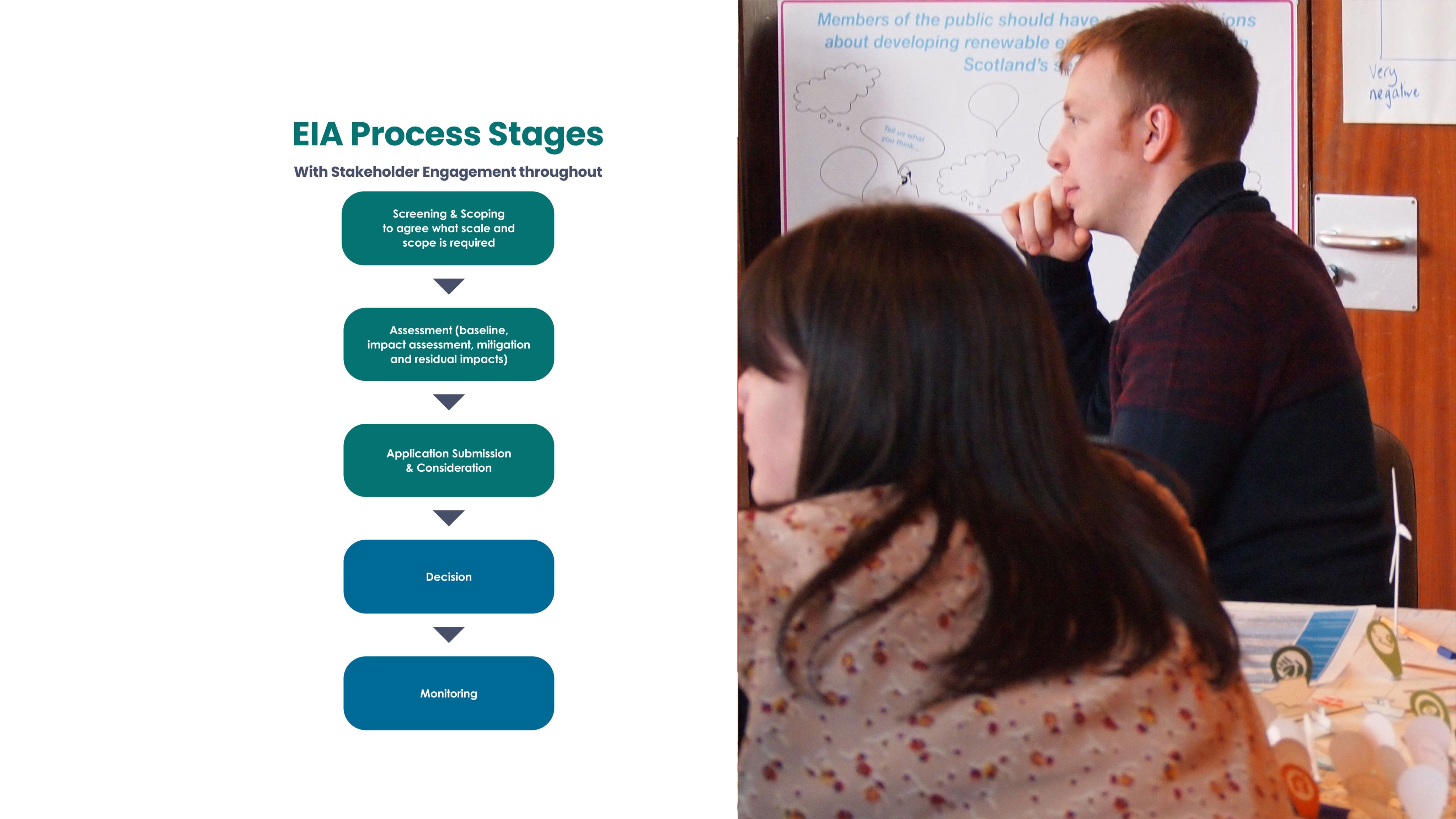
From day one we have engaged with the local community and stakeholders to share our plans for revitalising this derelict former oil and gas fabrication site.
At two public events we invited people to come and learn more about the project, give us their views, ask questions and meet the project team. Those views and opinions were important, as the team then went on to work with the relevant authorities and agencies to fine tune the design of the project following the feedback.
To deliver this project safely and with minimum impact on the environment and local communities, we also consulted closely with:
- The government agencies responsible for protecting the environment
- The local authority responsible for planning
- The Marine Directorate who govern licences to carry out construction works in the marine environment



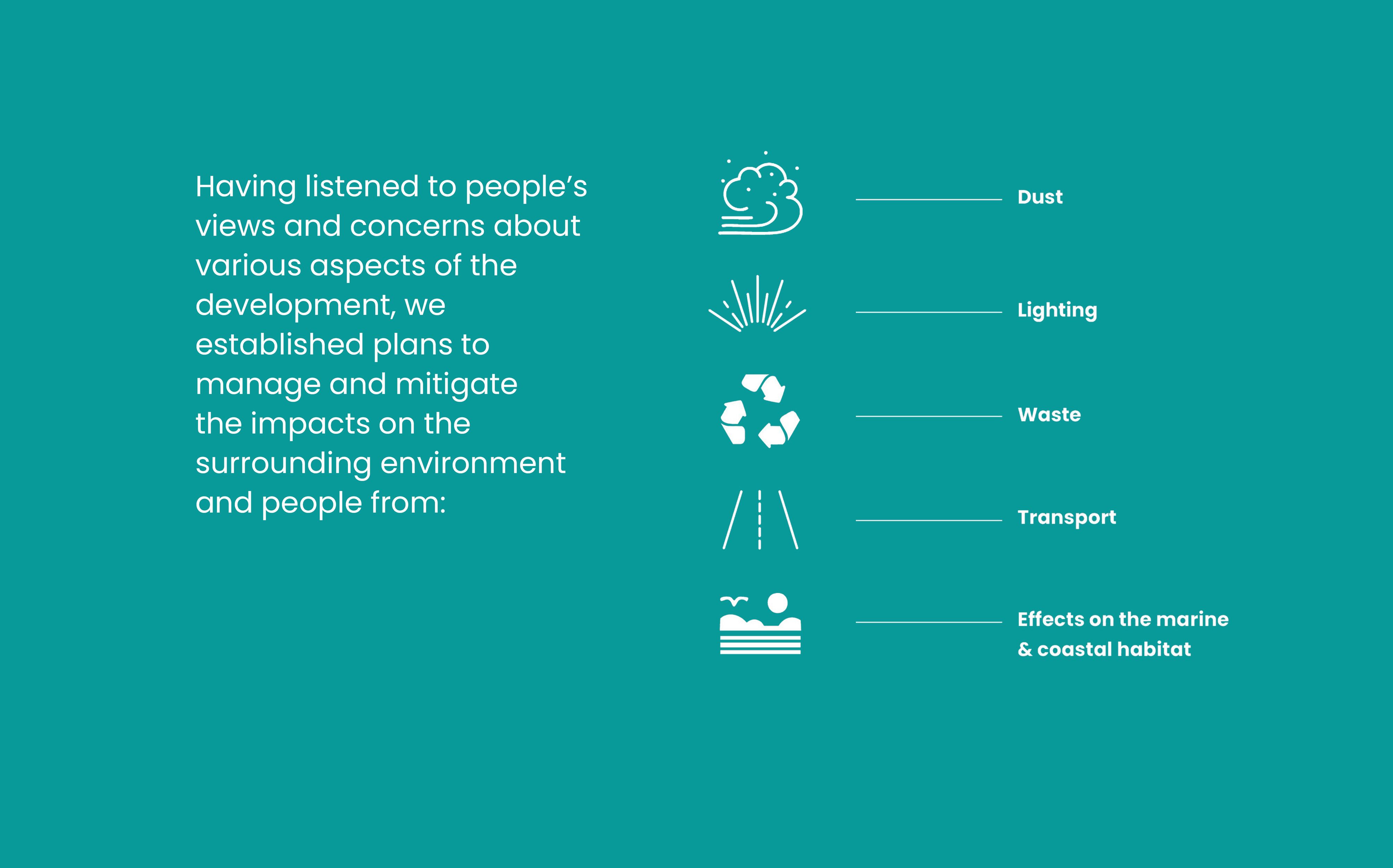
Minimising impact -
you asked, we delivered...
A series of plans were also developed to carefully manage the resilience of the proposed development to climate change and to address the loss of commercial Scots Pine forestry land. Resultantly, a 20 metre strip of existing trees will be retained and a compensatory site identified for planting 120 acres of like-for-like commercial Scots Pine plantation and an additional 12 acres of permanent broadleaf woodland.


Protecting people and environment - no stone left unturned
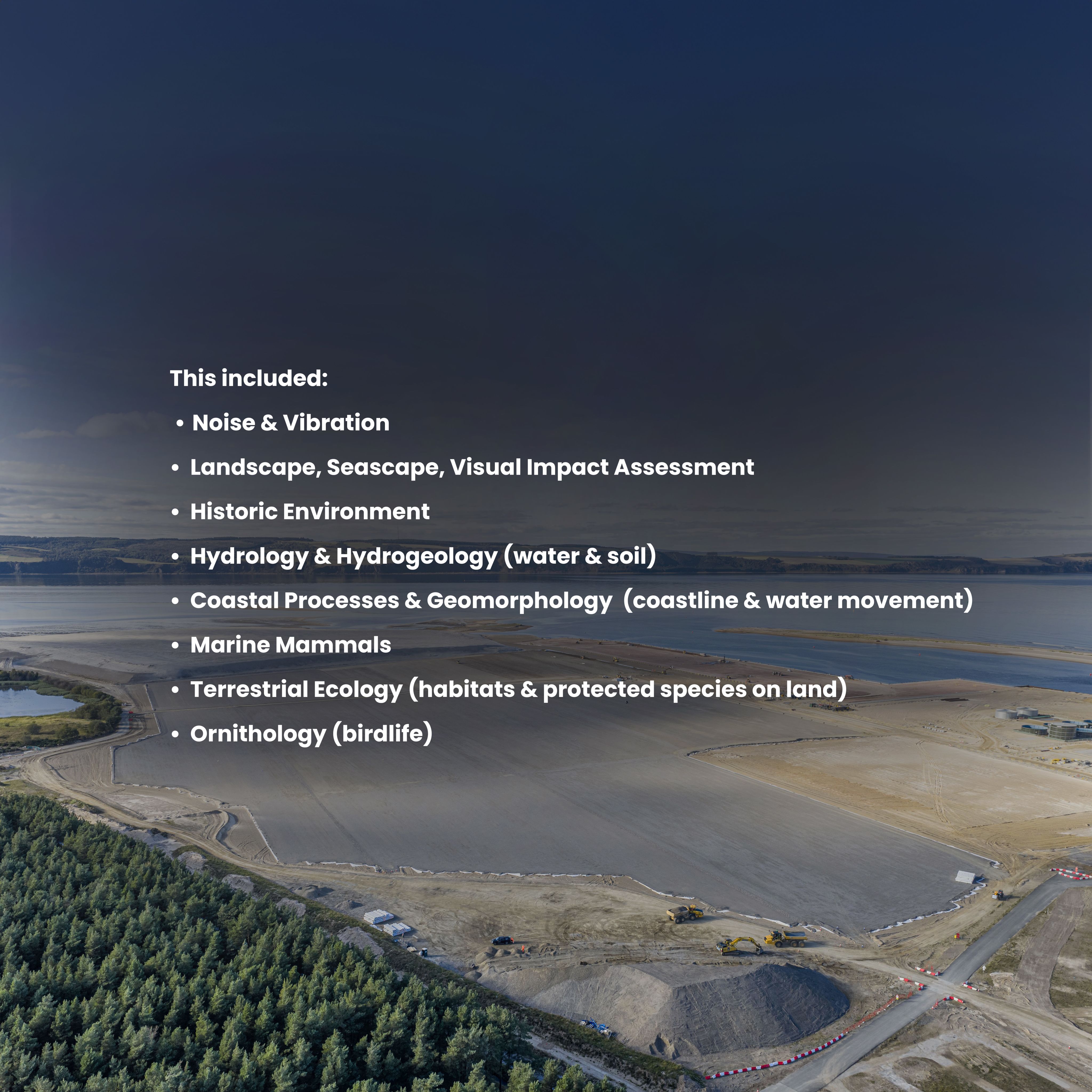
We are fully committed to safeguarding the communities and the environments in which we develop and operate our sites. This sense of responsibility and stewardship underpins everything we do and saw us commit to rigorous assessment and monitoring from relevant government agencies and authorities to assess the various potential effects of the port extension.
Environmental concerns
and effective solutions
Can we expect excess noise and vibration?
Could increased noise and vibration during the project adversely impact local people and ecology?
Using noise and vibration monitoring data from the existing site we predicted the maximum levels that could occur when the port is in operation.
That data then informed our solution - the creation of a 2m high noise barrier at the southern boundary of the site to mitigate any additional noise pollution.


Impacts on the landscape
and seascape
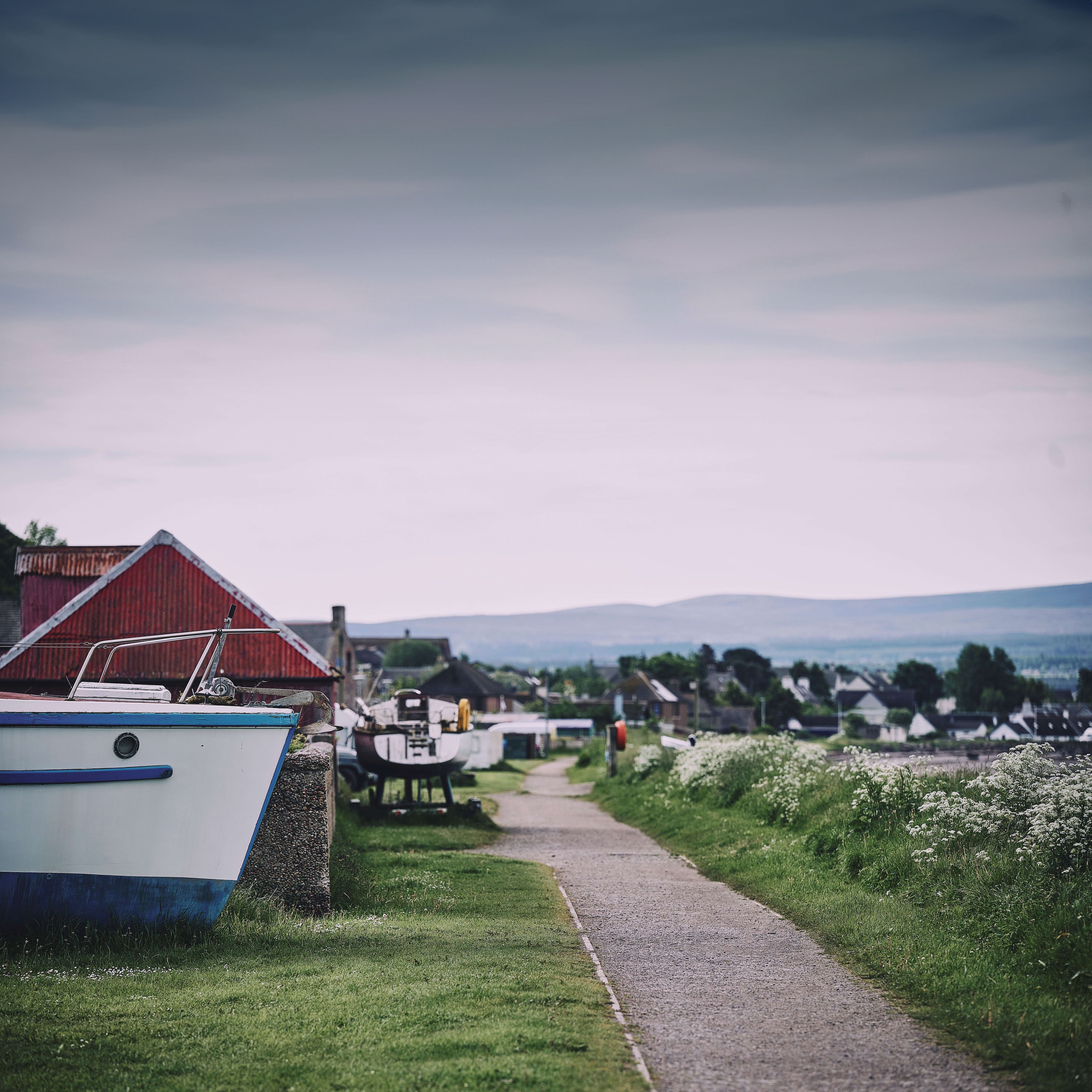
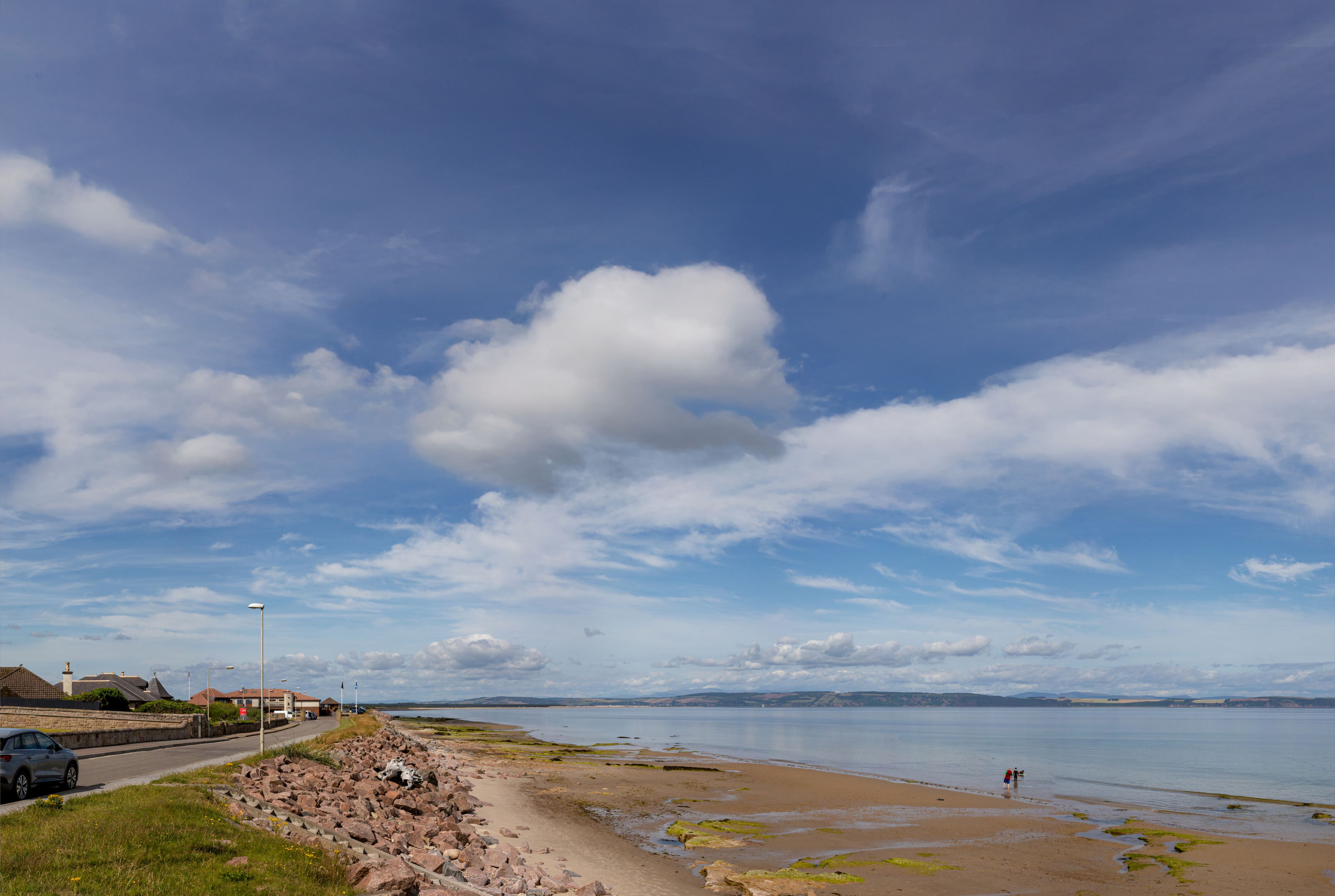
Will the port extension negatively impact on views to and from the site from various nearby locations?
Visualisations were prepared to consider how the site extension could impact upon the landscape at particular locations. A thorough assessment found that the proposed extension to the port would not significantly increase the already accepted impact on the landscape under the current planning permission. We already have the ability to store and assemble large structures and cranes.
Protecting the
Historic Environment
Will the port extension negatively affect any historically significant structures on the site?
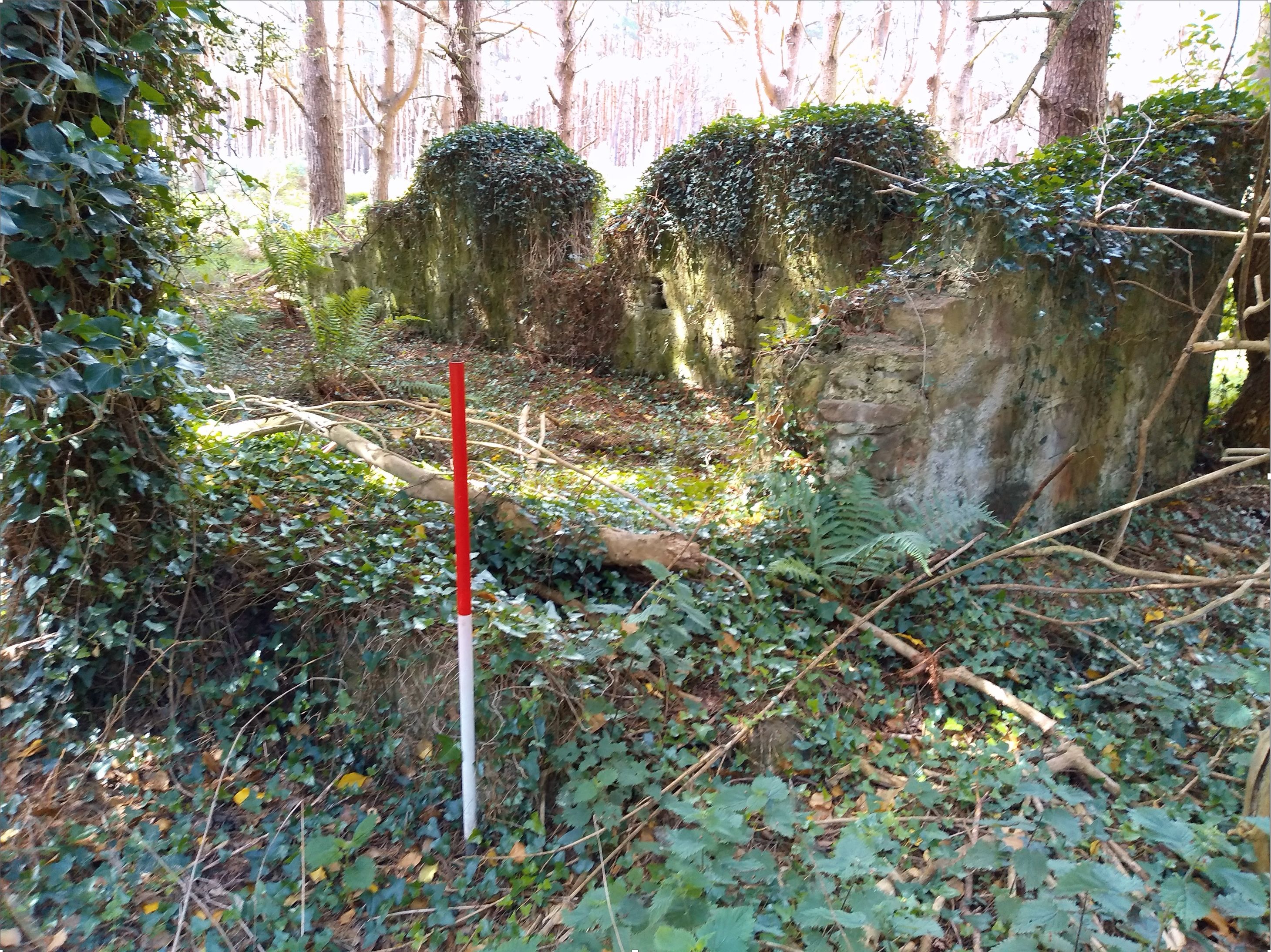
A thorough survey established that there are no features of particular interest on the site beyond a post-medieval farmstead within the commercial woodland. To safeguard history, the ruins of the building will be recorded by archaeologists prior to demolition.
Impacts on Fort George and its setting were already acknowledged for the current planning consent.

Effects on watercourses
and soil quality
Will local watercourses or soil be negatively impacted by the port extension?
Research by Hydrology specialists founds that there are no natural burns or rivers within the site area, although a number of land drains and ditches cross the site before discharging into the harbour.
Detailed surveys informed the design of a new watercourse route along the south boundary of the site, discharging into the harbour, which mitigates any additional flood risk linked to the port extension or surrounding land.
Best practice pollution prevention measures are being put in place during construction, ensuring the local environment is protected from pollutants and soil contamination.


Water movement
and coastal erosion
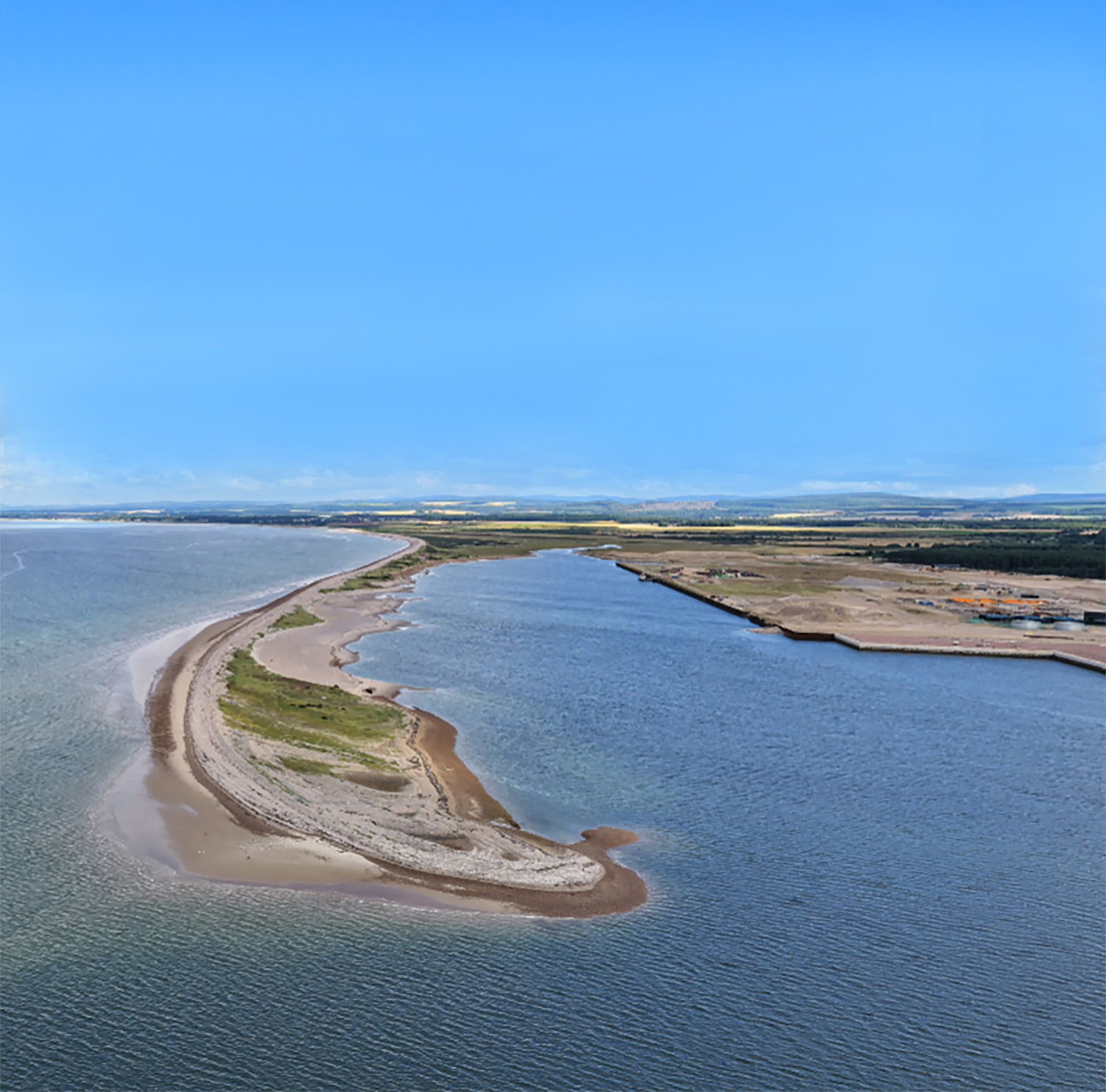
Will dredging the harbour change water speeds or wave heights at the site and in the surrounding area or contribute to additional coastal erosion?
Working with experts in Coastal Processes and Geomorphology, we produced 3D scientific models to assess whether the proposed development would negatively impact coastal integrity or the movement of coastal waters.
Findings indicate that the dredging required by the development will not create any significant changes to either water speeds or wave heights and that no new erosion or deposition of sand around the local area is to be expected, with no predicted significant effects on local beaches or protected areas.
Effects on marine mammal population
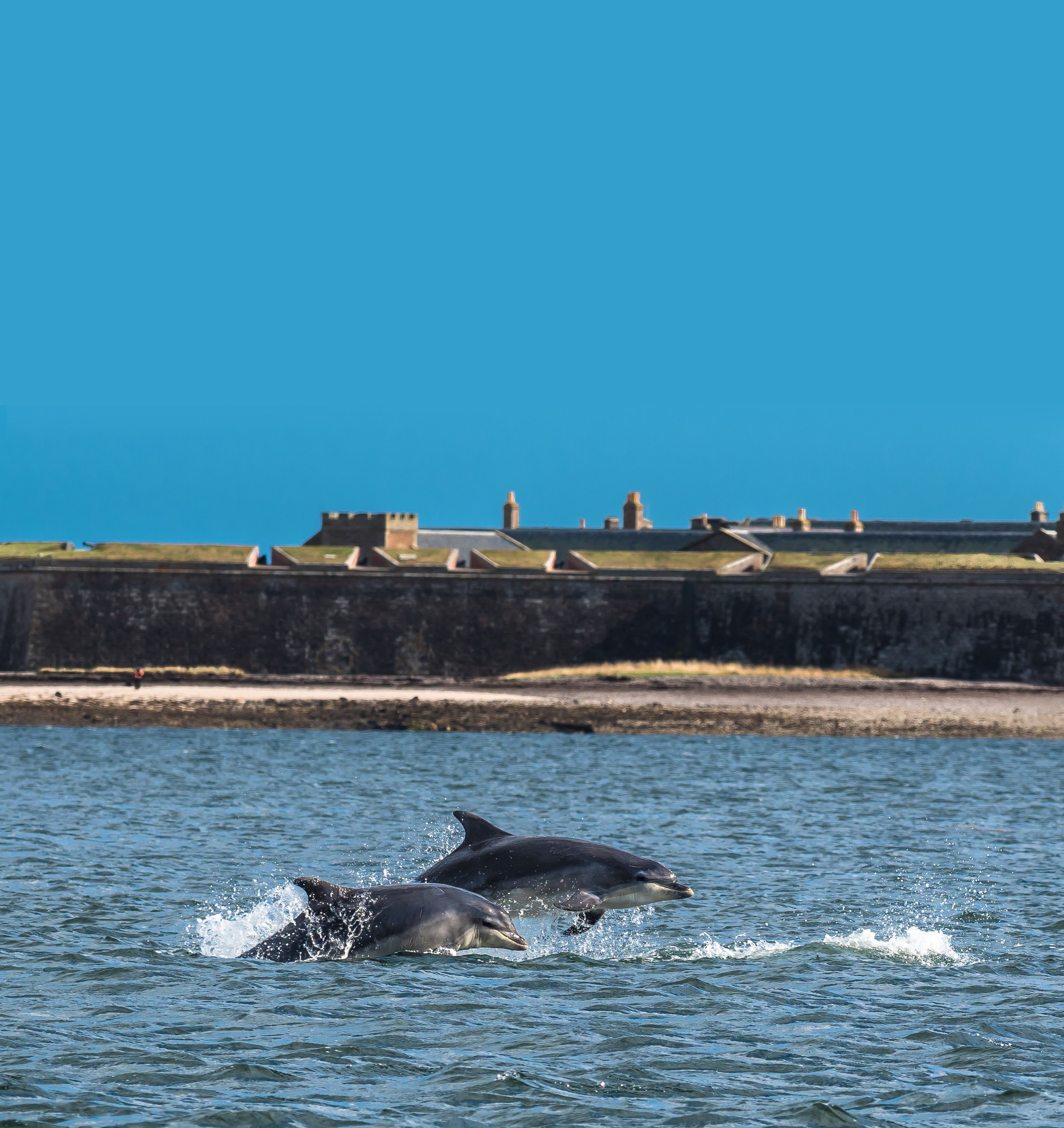
Will marine mammals such as dolphins, porpoises & seals be affected by the proposed development?
Research we carried out found that the key potential impacts on marine mammals are related to underwater noise and ship movements. To address these potential issues we have created a Marine Mammal Mitigation Plan that sets out step-by-step procedures to safeguard these valued species.
These include a combination of marine mammal monitoring from the vessels and underwater noise monitoring to be carried out at the Burghead Spoil Ground which will detect the presence of marine mammals while sand deposition works are being carried out.


Habitats and protected species
Are there protected species on site that may be affected by the port extension plans?
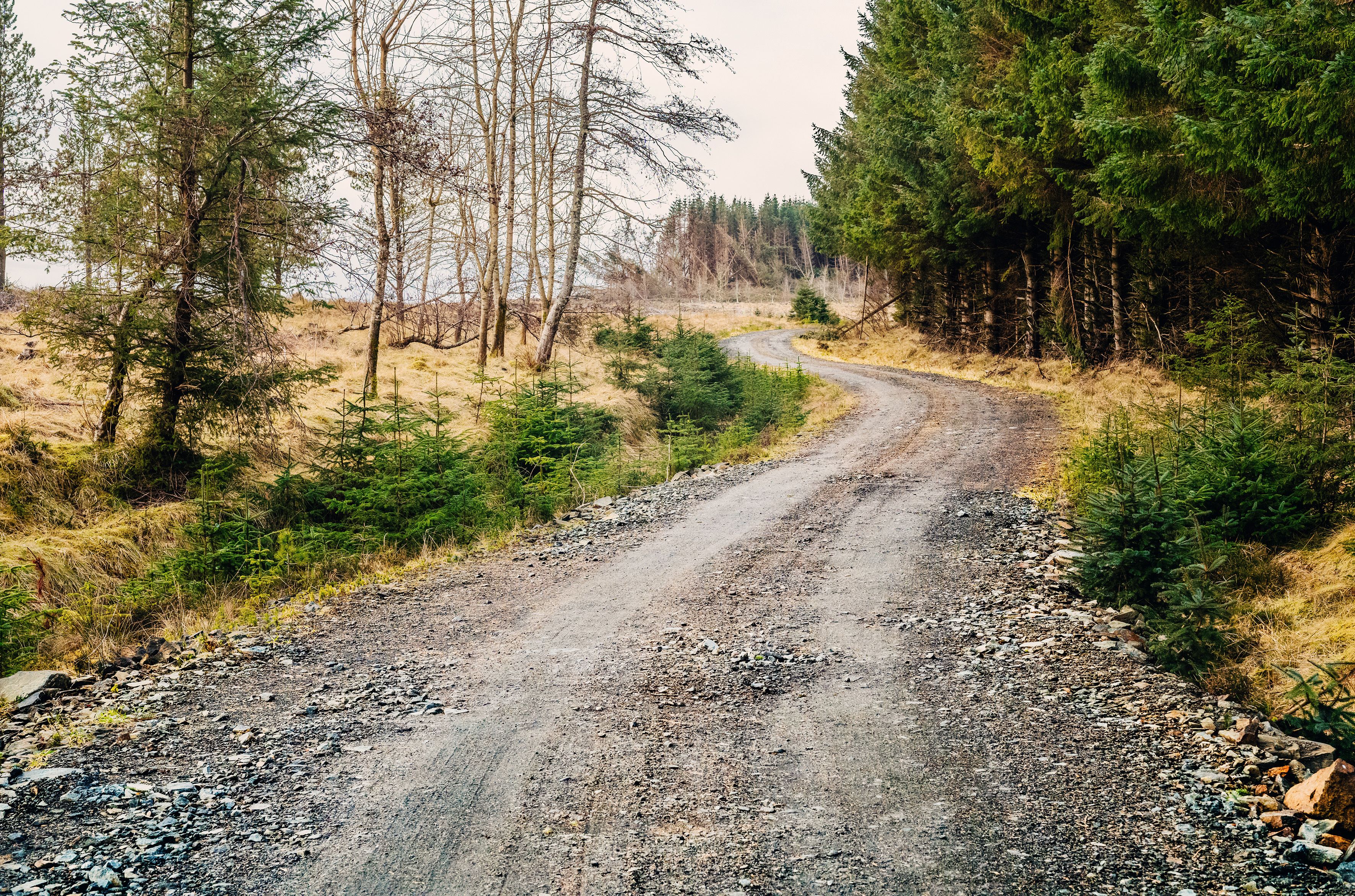
To ensure we fully understand the ecology of the site, we’ve spent two years undertaking a significant survey of the commercial woodland, gorse and scrub. With evidence of bats, badgers, red squirrel and pine marten found, before we begin felling of the woodland we will work closely with Highland Council and NatureScot to develop a series of detailed ecology and species protection plans.
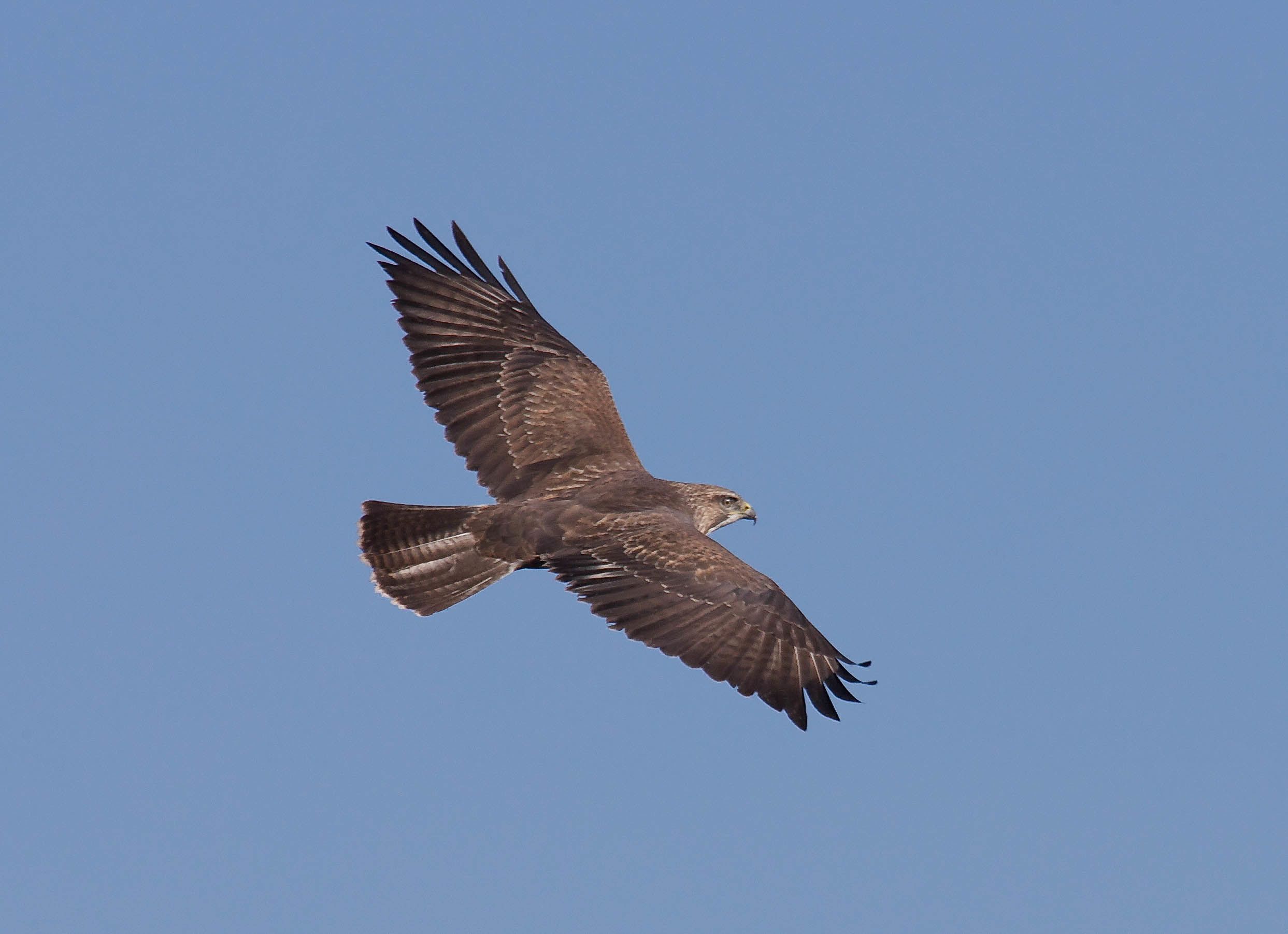
Effect on local birdlife
Can we expect any impacts on local bird life during construction of the port extension?
Bird surveys carried out over a two year period and data from a much longer time period considered the presence of species at the extension site but also in the wider area. Given the location of the extension area and the existing consented port, with suitable mitigation measures in place we don’t predict any impacts upon waders or other seabirds during construction or operation.
An ornithological survey completed in the commercial plantation during the breeding season – and through winter for Pinewood species - has led to the creation of draft protection plans for birds to be updated prior to and during felling and construction. Special protections measures will be put in place to protect birds, including timing project works to avoid sensitive seasons (where possible), minimise light pollution, creation of nest protection zones (if any are discovered) and appointing of a qualified protection officer to oversee works and ensure local bird life is protected.

Cumulative impacts
Could the cumulative effects of the port extension have a negative impact on local communities?
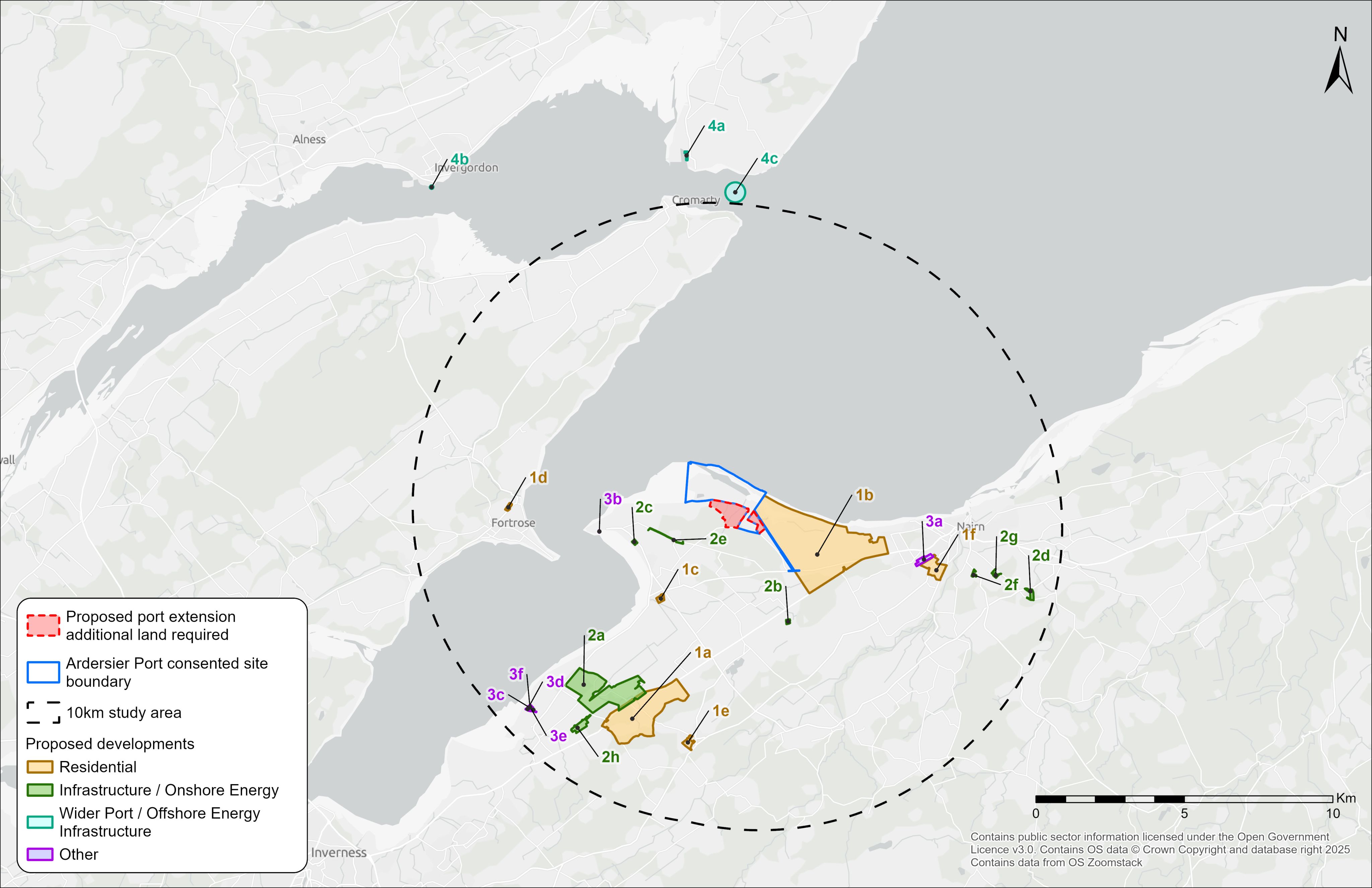
Cumulative impacts can happen when several types of effect from a proposed development - for example, pollution, disturbance and noise - add up to cause a bigger overall impact on a person, place, species or community. We carried out a detailed assessment, concluding that this type of effect wouldn’t happen at Ardersier. We also considered whether other proposed developments within 15km of the site could combine to impact local communities and ecosystems - and are pleased to say they would not.


An opportunity to enhance the site
Is there scope for the port extension to actually improve the ecology and habitats around the site?
For each technical topic covered assessed (ecology, hydrology etc) we have not only identified mitigation actions to be applied before, during and after construction but have proposed enhancements designed to improve the biodiversity around the site. Our enhancement programme includes planting on site, creation of a wetland area and enhancement of breeding opportunities for birds.

What happens next?
Our planning application to extend the site will be considered at The Highland Council South Planning Applications Committee in the next few months.
Our Marine Licence applications (to carry out works in the marine environment) as part of this extension, are to be submitted in March 2026. Once submitted, adverts will be placed in the Edinburgh Gazette and Inverness Courier to advise how these can be commented upon.
You can find out more about our Environmental Impact Assessment work (EIA) in our non-technical summary by clicking the link below.
All the technical documents we have submitted as part of the planning application and our responses to queries raised are available to view online on the Highland Council Planning Portal and marine licence applications and associated documents will also be available on the Marine Directorate marine licence applications website once the marine licence applications have been made. You can view those documents currently on the Highland Council website by clicking the link below.
If you would like to get in touch with us directly regarding any aspect of the proposed extension, we would love to hear from you. Feel free to drop us a line here: ardersier@montagu-evans.co.uk



 Built with Shorthand